Section
AI
AI coverage on Europa Now: models, rules and what European teams actually do with both.

AI
The Silent Crisis: Why the Quietest Burnouts Are the Hardest to Spot
Those who excel at managing others' needs often become invisible in their own suffering, masking exhaustion so effectively that colleagues may not notice the damage for years.

AI
The Illusion of Understanding: Why Digital Access Doesn't Equal Knowledge
Instant access to information has created a dangerous confusion between having answers at hand and truly understanding them. Research shows this abundance actually undermines both knowledge and wisdom in measurable ways.

AI
Validating Arguments Beats Praising Intentions in Online Disagreements, Study Finds
A preregistered experiment with 558 US adults found that acknowledging an opponent's reasoning and calling it sound produced stronger relational effects than complimenting their motives—but neither approach shifted actual opinions.

AI
Reading's Real Rewards: What Science Actually Shows About Smarter Minds and Happier Hearts
The widespread belief that reading makes us both smarter and happier contains truth, but the evidence supporting each claim differs significantly in strength and certainty.

AI
The Science Behind Gigil: Why We Want to Squeeze What We Love
When something is unbearably cute, our bodies respond with an urge to pinch, squeeze, or bite—a phenomenon Filipinos have long called gigil. Now researchers are beginning to understand why tenderness and aggression are so closely intertwined.
AI
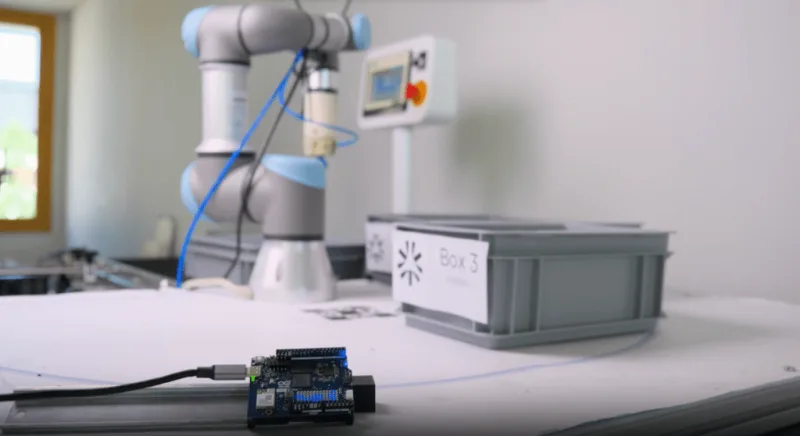
Voice Commands Meet Factory Robots: How Edge AI Is Reshaping Industrial Automation
Foundation models running directly on edge devices are eliminating the need for expensive cloud infrastructure in manufacturing, letting operators control robotic systems through natural language instead of specialized training.

AI
The Quiet Crisis: How AI is Closing Entry-Level Doors Before Young Workers Even Know They're Shut
New analysis of US payroll data through June 2026 reveals a troubling divergence in early-career hiring, with young workers in AI-exposed fields falling 19% behind their peers in less-exposed roles—driven not by layoffs, but by companies simply choosing not to hire.

AI
The 12% Happiness Boost: How BT's Call Centre Study Measured Mood's Real Impact on Sales
A six-month study of 1,793 British Telecom workers found that rising happiness correlated with higher sales—but the effect came from better conversations, not longer hours. The researchers used weather and window exposure as a natural experiment to isolate the causal link.