Section
AI
AI coverage on Europa Now: models, rules and what European teams actually do with both.

AI
Building SaaS for Africa: A Sales Leader's Blueprint for Founders
Dr Kayode Adedapo Kolawole, Sales Director at Nagode Industries and judge for SaaS 66, shares three decades of West African market experience and explains why founders must prioritize customer pain over technology sophistication.
AI
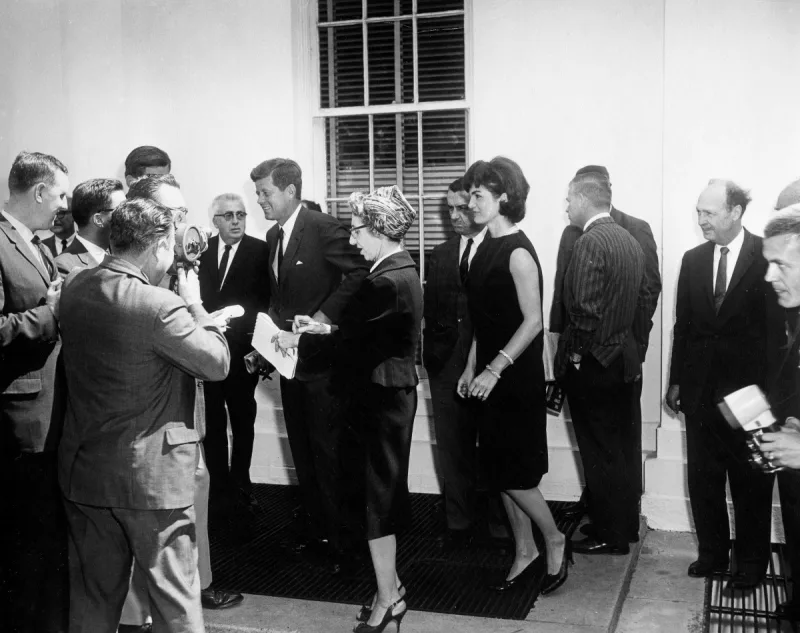
The Kennedy-Monaco Luncheon: Separating Archive from Legend
A 1961 White House gathering between President Kennedy and Princess Grace of Monaco has spawned decades of speculation. What does the archival record actually tell us?

AI
The paradox of power: why authority erodes the self-awareness that built it
Research reveals that climbing the organisational ladder doesn't just reward self-aware people—it actively strips away the very capacity that helped them rise. The higher leaders climb, the less equipped they become to see themselves clearly.

AI
Why Nature Genuinely Calms Your Brain—and How Much Time You Actually Need
Stepping into natural settings triggers a measurable shift in how your brain operates, allowing overworked attention systems to finally rest. Research pinpoints the specific mechanisms behind this neurological relief and reveals the minimum dose needed for real benefits.
AI
Taking Time to Think Helps Your Case—But Only With Those Who Disagree
Research across three studies shows that appearing thoughtful about a political position boosts moral character ratings, yet the benefit emerges exclusively among people who reject that position.

AI
The guilt you don't see: why people who ignore messages feel worse than you think
A new study reveals that those who stop replying to messages experience more emotional distress than those waiting for a response realise—and the gap widens when the silence is unintentional.

AI
Why the 66-Day Habit Myth Misses the Point of Waking Early
A landmark study showed habits take a median of 66 days to form, but that number masks enormous individual variation—and it never tested waking early at all. The real challenge involves your circadian rhythm, not just willpower.

AI
When Algorithms Grade Harshly, Teachers Defer More—A Greek Study Shows the Label Matters
A controlled experiment with 1,339 Greek teachers reveals that attributing a low mark to an algorithm, rather than a colleague, pushes teachers further from the correct grade—but only when the initial mark is unfairly strict.