Section
Future
Future on Europa Now: AI, climate tech and the long bets that will decide what Europe builds next.

AI
The guilt you don't see: why people who ignore messages feel worse than you think
A new study reveals that those who stop replying to messages experience more emotional distress than those waiting for a response realise—and the gap widens when the silence is unintentional.
Climate Tech
EU's Climate Policy Overhaul Risks Undermining Clean Tech Investment
The European Commission's revised emissions trading framework promises innovation but may inadvertently protect fossil fuel incumbents, threatening the funding pipeline for climate startups across the continent.

AI
Why the 66-Day Habit Myth Misses the Point of Waking Early
A landmark study showed habits take a median of 66 days to form, but that number masks enormous individual variation—and it never tested waking early at all. The real challenge involves your circadian rhythm, not just willpower.

AI
When Algorithms Grade Harshly, Teachers Defer More—A Greek Study Shows the Label Matters
A controlled experiment with 1,339 Greek teachers reveals that attributing a low mark to an algorithm, rather than a colleague, pushes teachers further from the correct grade—but only when the initial mark is unfairly strict.

AI
When quiet leadership outperforms the talkative kind
A 2011 study of pizza stores and a laboratory experiment found that reserved leaders got better results from proactive teams—not by adopting more ideas, but by making employees feel their input mattered.
Climate Tech
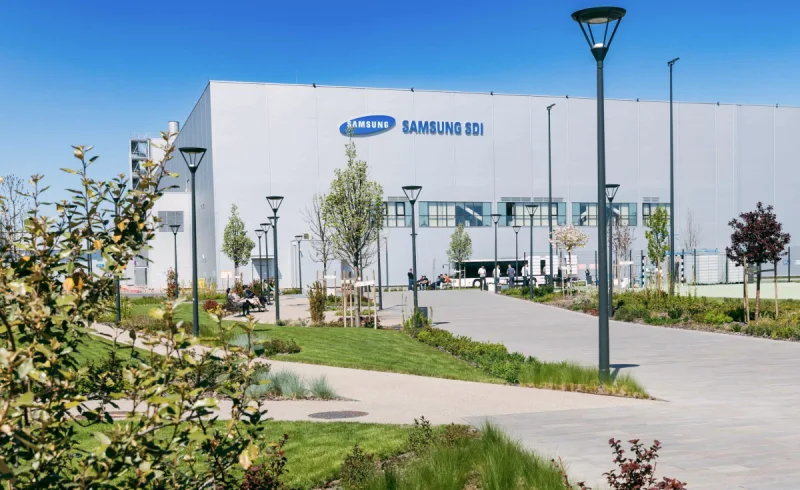
Hungary Escalates Environmental Enforcement Against Battery Makers With Stricter Fines and New Oversight
Budapest is moving to impose steeper penalties on industrial polluters and establish dedicated monitoring of battery production facilities, citing repeated violations at major manufacturing sites.

AI
How Job Titles Shape What Strangers Mean to Us: Yale Study Finds Roles Override Individual Identity
A series of reading-speed experiments by Yale researchers reveals that people process interactions based on professional roles rather than individual identity, treating one postal worker as readily interchangeable with another.

AI
Why We Slouch Under Pressure—And When It Becomes a Problem
Hunching inward isn't laziness or poor discipline; it's an ancient survival mechanism that activates when we feel threatened or watched. But when slouching becomes habitual, it can trap us in a cycle that's hard to break.