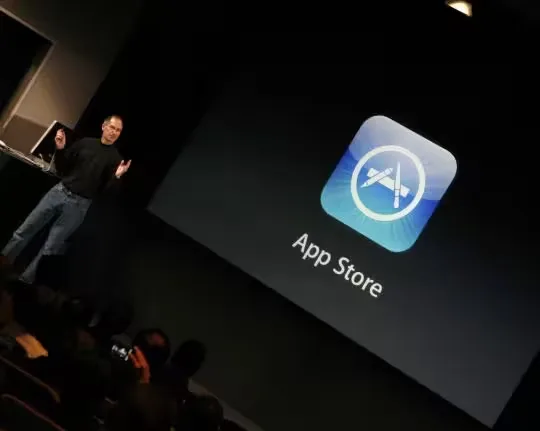
Since its launch, the App Store has hosted countless applications, but few have generated as much discussion as FutureTap's widely-used Where To app. Recently, the company discovered something troubling: a patent submission from Apple that appeared to incorporate design elements strikingly similar to their own interface. The discovery raised uncomfortable questions about whether the tech giant might be attempting to patent technology that Where To had already pioneered.
The adage "if it seems too good to be true" has an inverse: "if it seems too bad to be true." In this instance, there are strong reasons to believe that Apple is not actually pursuing Where To, and that the situation has been sensationalized beyond what the facts support. The incident may represent a case of misplaced concern rather than corporate malfeasance.
FutureTap first aired its concerns publicly, publishing a blog post that functioned as a brainstorming exercise about what might explain Apple's actions. The situation seemed puzzling: Apple's patent application featured what appeared to be a direct representation of the Where To interface as supporting evidence for its claims.
For FutureTap, understandably, seeing an Apple patent that bore such striking resemblance to their existing product warranted genuine alarm. The story subsequently circulated through tech media outlets including Venemous Porridge, where commentators echoed similar concerns. However, alternative explanations soon emerged from observers attempting to make sense of Apple's decision.
The most compelling interpretation comes from Brian Ford, who suggests that Apple was pursuing a broader technological concept and simply employed the diagram as an illustrative example. According to this view—and one worth considering—Apple made a poor judgment in borrowing the visual representation, but no deliberate scheme exists. Ford's reasoning carries weight in this assessment.
The patent system itself warrants scrutiny, though detailed analysis would prove tedious. Intellectual property protections have demonstrable flaws, and the current framework remains imperfect. This imperfection creates vulnerability: well-resourced corporations with extensive legal teams possess the capacity to appropriate innovations from smaller creators and defend such actions through litigation.
Apple occupies a uniquely precarious position regarding public perception. The company functions as the exclusive distributor for applications on its iPhone, iPod Touch, and iPad platforms—at least for users who wish to maintain device warranties. Through its App Store review process, Apple examines every submission before public release. Combined with substantial financial resources, this gatekeeping role theoretically enables the company to outspend independent developers in legal disputes and eliminate competition through attrition.
The Where To situation remains unresolved. Should Apple proceed with patenting an application identical to Where To, the resulting public relations fallout would be extraordinary and damaging to the company's reputation.
Source: The Next Web