Researchers have long cited a 1978 study as proof that any explanation, no matter how hollow, can increase the odds of getting what you ask for. Yet the experiment's actual results tell a more nuanced story, one that hinges on a critical detail often overlooked in retellings.
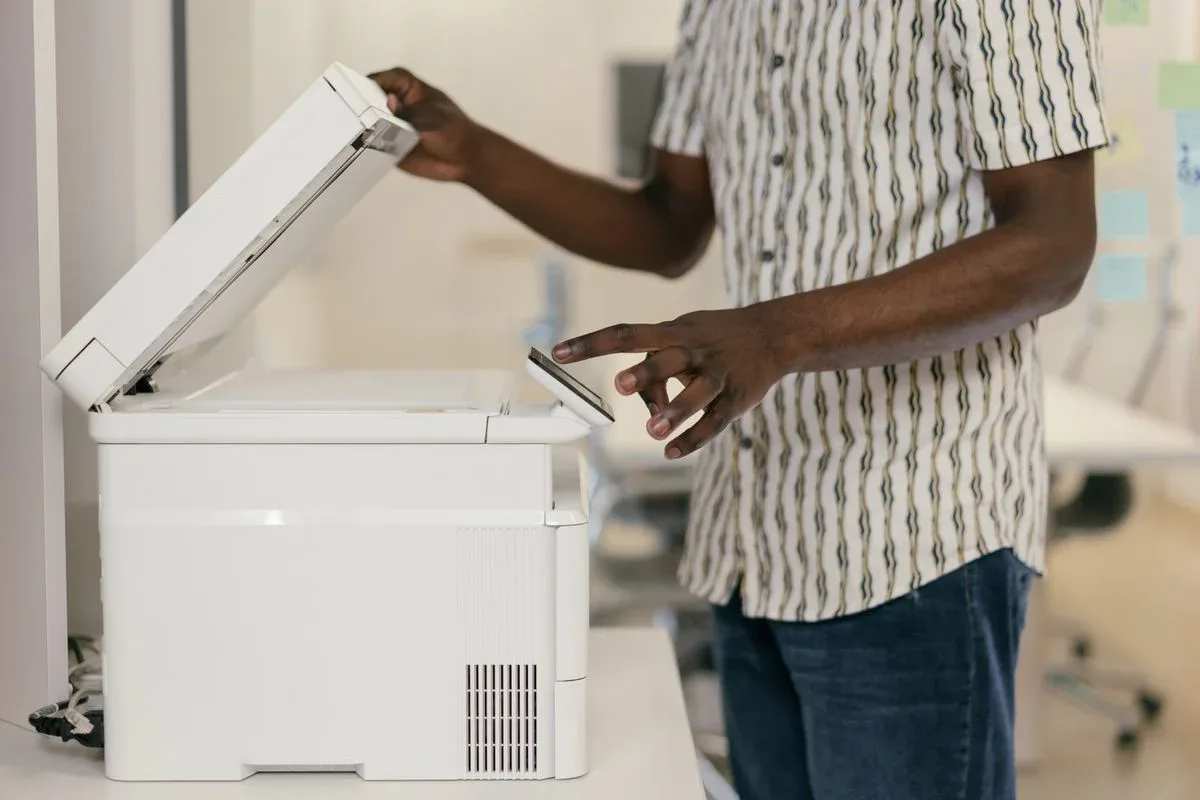
Ellen Langer, Arthur Blank and Benzion Chanowitz conducted their work with 120 adults at the Graduate Center of the City University of New York. They approached people at a photocopier and requested permission to make either five or twenty copies. The twist: they sometimes offered a reason, sometimes a redundant one.
When the ask was small, the results seemed to validate the power of any explanation. Without a reason, 60% agreed; with the phrase "because I have to make copies," that figure jumped to 93%. But when the request grew larger, the magic vanished. Both conditions yielded just 24% agreement. A more substantive reason—saying the requester was in a rush—produced 94% compliance for small requests and 42% for large ones, though the latter difference fell short of statistical significance.
The Boundary That Changes Everything
The headline of the original finding captures only half the story. What matters most is where the effect stops working. Extracting the copier result as universal advice means ignoring the condition that made it noteworthy in the first place.
When researchers compare two versions of a request and observe higher acceptance for one, that tells us something valuable about those specific versions in that particular context. It does not mean the same tactic will persuade someone to commit to something longer, costlier or more consequential. Similarly, identical percentages across conditions reveal nothing about whether an effect truly equals zero everywhere else. The gap between describing what occurred and proclaiming a universal principle matters enormously.
People Also Underestimate How Often Others Will Help
A separate line of inquiry, led by Francis Flynn and Vanessa Lake in 2008, exposed a different barrier to getting help. Across multiple studies, people consistently overestimated how often their requests would be rejected.
According to Stanford's summary of their work, Flynn noted a practical consequence: "anticipating rejection can discourage people from requesting assistance that others would actually provide." In one study, those making requests also wrongly believed that an indirect approach would work better than simply asking directly.
This represents a distinct challenge from choosing the right wording. Many people never reach the stage of crafting an explanation because they have already concluded that asking is futile. The gap between how someone predicts another will respond and how they actually respond can be measured and compared—and the two often diverge.
How You Ask Matters as Much as What You Say
Vanessa Bohns and M. Mahdi Roghanizad examined this question in a 2008 study involving 490 people making requests and 1,490 respondents. They asked participants to request proofreading of half a page of text, varying the communication method.
Face-to-face requests generated more agreement than those delivered through intermediaries. Among mediated channels, voice and video outperformed text-based approaches in the observed comparisons, though the study did not establish a clear winner between video and audio alone. Notably, those making the requests underestimated how much of an edge in-person contact provided.
This finding carries weight for anyone attempting to transplant an older persuasion principle into an email campaign or digital product. A conversation beside a machine involves spatial proximity, timing and a person waiting for a response in real time. Shifting the channel fundamentally alters the dynamic, even if the words remain identical.
Agreement and Freely Given Agreement Are Not the Same
In 2024, Cornell researchers Rachel Schlund, Bohns and Roseanna Sommers investigated how to make refusal feel less difficult. Their two studies included 535 participants and featured a request to surrender an unlocked phone.
Providing people with specific language they could use to decline proved more effective at increasing their sense of freedom to refuse than simply telling them refusal was permissible. The intervention tackled the real obstacle: finding an acceptable way to say no in the moment.
This distinction carries implications for workplace communication: securing a yes and securing a freely chosen yes represent different outcomes. Tallying only affirmative responses can obscure how the recipient experienced the interaction. These newer studies did not recreate the copier experiment; instead, they posed a separate question about the social dynamics surrounding requests.
Making Your Explanation Count
For leaders and product teams, a straightforward approach works best: articulate the request plainly, provide the genuine reason behind it and clarify what acceptance involves. This supplies the other person with facts needed to decide, while giving the requester a response that is easier to interpret.
When testing different phrasings, the scope of the commitment should factor into the experimental design. A request for sixty seconds of attention, a full day of labor and a recurring obligation warrant different treatment, even if all three conclude with an identical call to action.
The copier study endures in memory because its explanation was superfluous. Its limitations deserve equal recognition for a more important reason: the magnitude of what one person asks of another continues to shape the answer.
Source: Silicon Canals