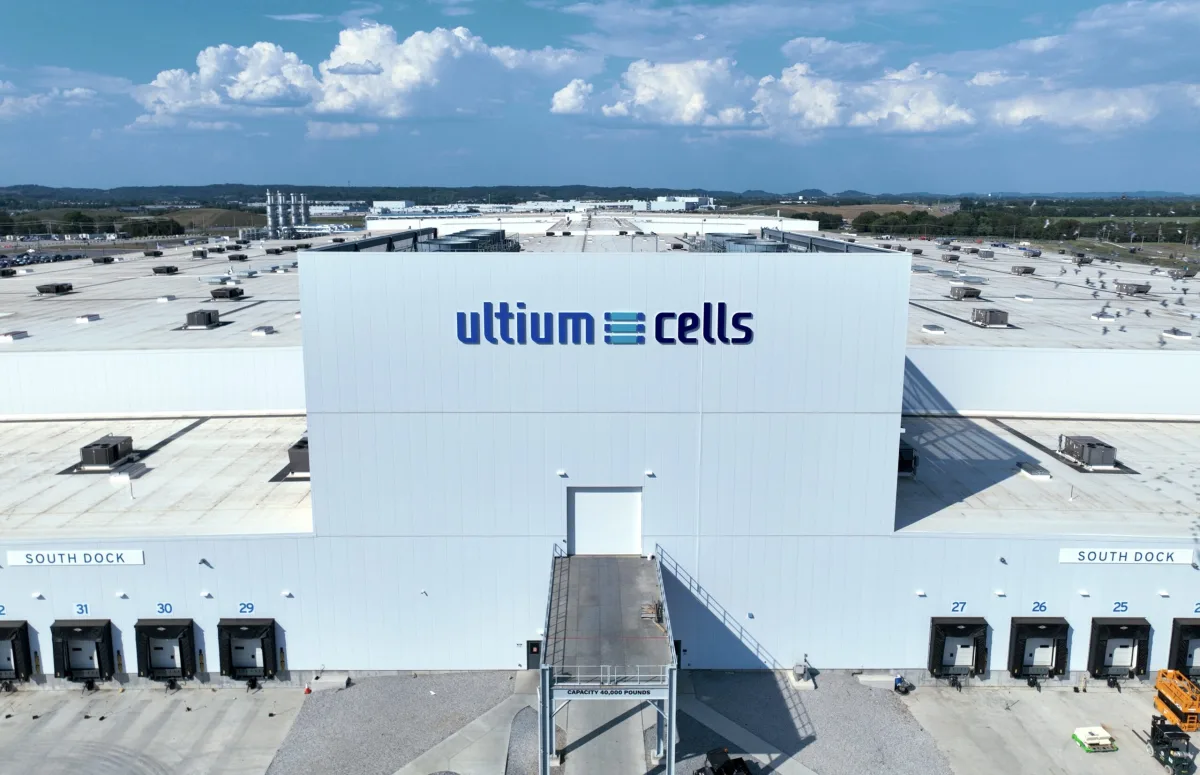
A partnership between General Motors and LG Energy Solution is preparing to transform its Tennessee battery manufacturing site. The Ultium Cells joint venture plans to retrofit its Spring Hill plant to produce prismatic lithium manganese-rich, or LMR, battery cells destined for future GM electric vehicles. Construction work is slated to start in 2026, with the facility coming online in 2028.
The expansion initiative is projected to generate approximately 500 additional positions at the location, which currently has a workforce of around 1,200 employees. GM had previously committed to launching commercial LMR cell production at a U.S. manufacturing site by 2028, and this Tennessee project fulfills that timeline.
LMR Positions Itself as a Cost-Effective, Energy-Dense Option
General Motors is marketing LMR as a more economical option compared to high-nickel battery formulations. According to Ultium Cells, the new LMR cells could deliver as much as 33% greater energy density relative to lithium iron phosphate cells while keeping costs at comparable levels.
The automaker has signaled a potential reduction in its original LFP cell deployment strategy for electric vehicles, with LMR emerging as a preferred alternative.
Spring Hill Already Supports Multiple Battery Technologies
The Tennessee facility commenced production of LFP cells for stationary energy storage applications in June 2026. Moving forward, the plant will be positioned to manufacture an array of battery chemistries and configurations, encompassing LFP, high-nickel and LMR formulations in both pouch and prismatic designs.
Ultium Cells has announced that total capital investment across both programs and supplementary facility enhancements will reach $1 billion by 2030. The company notes that Spring Hill has the potential to become the world's first facility capable of mass-producing prismatic LMR battery cells.
Source: Battery-News