In a pilot initiative, Porsche has manufactured battery cells whose cathode active material derives entirely from recycled sources. The recovered elements—lithium, nickel, cobalt, and manganese—come from spent high-voltage batteries that Porsche has taken back from the field. Cylib, a battery recycling specialist headquartered in Aachen, collaborates on the undertaking. The carmaker is now subjecting these cells to operational testing, with preliminary findings suggesting technical feasibility. The company anticipates releasing fuller results by the close of 2026.
Recycled raw materials replace primary materials
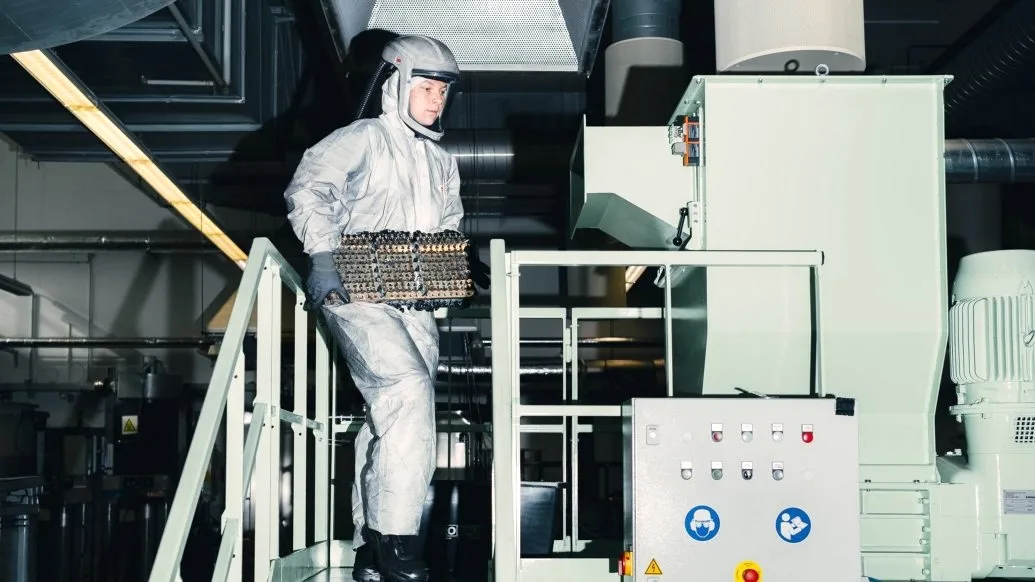
The initiative launched during the previous year, focusing on extracting raw materials from spent high-voltage batteries, refining them, and incorporating them into fresh battery cell production. At this stage, recycled active materials have entirely displaced the virgin materials that were previously standard. The ongoing test phase will therefore generate insights that could inform whether these materials prove suitable for mass-produced battery cells.
Battery recycling underway since May 2026
Porsche reports that insights emerging from the pilot work are already feeding into its standard battery end-of-life handling. From May 2026 onward, spent high-voltage batteries collected from Porsche Centers across Germany have entered a water-based recycling stream. The reclaimed battery raw materials are tracked through a material ledger system. Beginning in 2028, these recovered materials are slated to become available to Porsche and allied companies for manufacturing battery cells. Over time, this pathway could enable Porsche to reintegrate European-sourced recycled materials into its own high-voltage battery systems.
Source: Battery-News