Furo, a Munich-based software company, has closed a $4 million funding round spearheaded by TQ Ventures, with participation from Sheryl Sandberg's family office and other backers including Neo and CDTM Venture Capital. The platform now manages operations across more than 6,000 industrial installations.
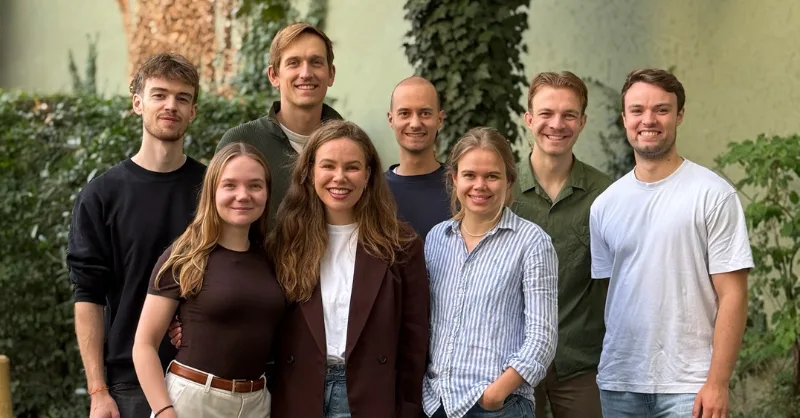
The company's three co-founders each walked away from prominent positions to tackle Europe's energy infrastructure challenges. Leonie Wagner turned down an opportunity at Google's Moonshot Factory, Simon Wittner departed from Apple's Seattle operations, and Lena Sophia Voß left a San Francisco startup. All three relocated to Munich to build their venture.
Furo develops software that makes real-time decisions about whether commercial batteries should charge, discharge, or return power to the grid. The company was established in 2025 as a spinoff from the Technical University of Munich. Voß explained the founding vision: "Our customers did not buy a battery in order to own a technology, but in order to lower their electricity bill. In one of the most volatile power markets in the world, that is decided by the software, not by the hardware. That is exactly why we founded Furo."
Europe's data centre expansion is intensifying pressure on the continent's power supply. As more AI infrastructure facilities come online, electricity demand climbs, driving up prices across the region. Research from Ember Energy projects that European data centre electricity consumption will nearly triple by 2035, a trend that has German industry particularly concerned given the nation already faces some of the world's highest industrial power rates.
From spreadsheets to dynamic energy trading
Battery storage systems are designed to capture inexpensive solar and wind-generated electricity and release it during peak-price periods. However, most existing installations depend on static programming rules that cannot respond to shifting weather patterns or market fluctuations in real time.
Furo's approach centers on software rather than hardware alone. The platform delivers real-time control and energy trading capabilities, forecasting prices and weather conditions up to 48 hours in advance and continuously optimizing storage system operations. According to the company, this capability can reduce customer electricity expenses by as much as 40%.
The company's initial offering emerged from a basic tool that helped installers manage battery economics through spreadsheets. Today, Furo distributes its solutions via installers, project developers, equipment manufacturers, and utility companies. Its customer roster includes Deutsche Bahn, Sonnen, and Enpal.
Competition in a growing market
The battery software space is becoming increasingly crowded. Hamburg-based Suena has secured €8 million for comparable AI-driven trading software targeting flexible energy assets. Cologne's Einklang obtained €2.2 million to merge variable pricing models with storage solutions for mid-sized manufacturers. Berlin's Scale Energy raised €2 million to pursue direct battery ownership and financing.
Furo distinguishes itself through comprehensive platform coverage spanning the entire customer journey, from initial planning through active trading operations. The company serves over 800 customers managing more than 6,000 sites. Most competing solutions focus narrowly on individual stages of this process rather than the complete lifecycle.
Furo exemplifies a broader pattern emerging from Munich's academic ecosystem. The company's founders studied at the Center for Digital Technology and Management, a collaborative program between TU Munich and LMU that has spawned multiple enterprise software ventures. The founding team is notable for including two women among its three co-founders, an uncommon composition within Germany's climate-tech startup landscape.
The fresh capital will support platform development, geographic expansion across Europe, and team growth. Schuster Tanger, co-founding partner at TQ Ventures, characterized the investment as "a remarkable example of team-market fit," emphasizing Furo's "exceptional technical depth and operational experience in Europe's most complex power market."
Battery hardware has become commoditized, with pricing measured in cents per kilowatt-hour. The critical question for Furo's backers remains whether software-based profit margins can withstand competition from larger, more established energy companies entering the sector.
Source: Tech Funding News