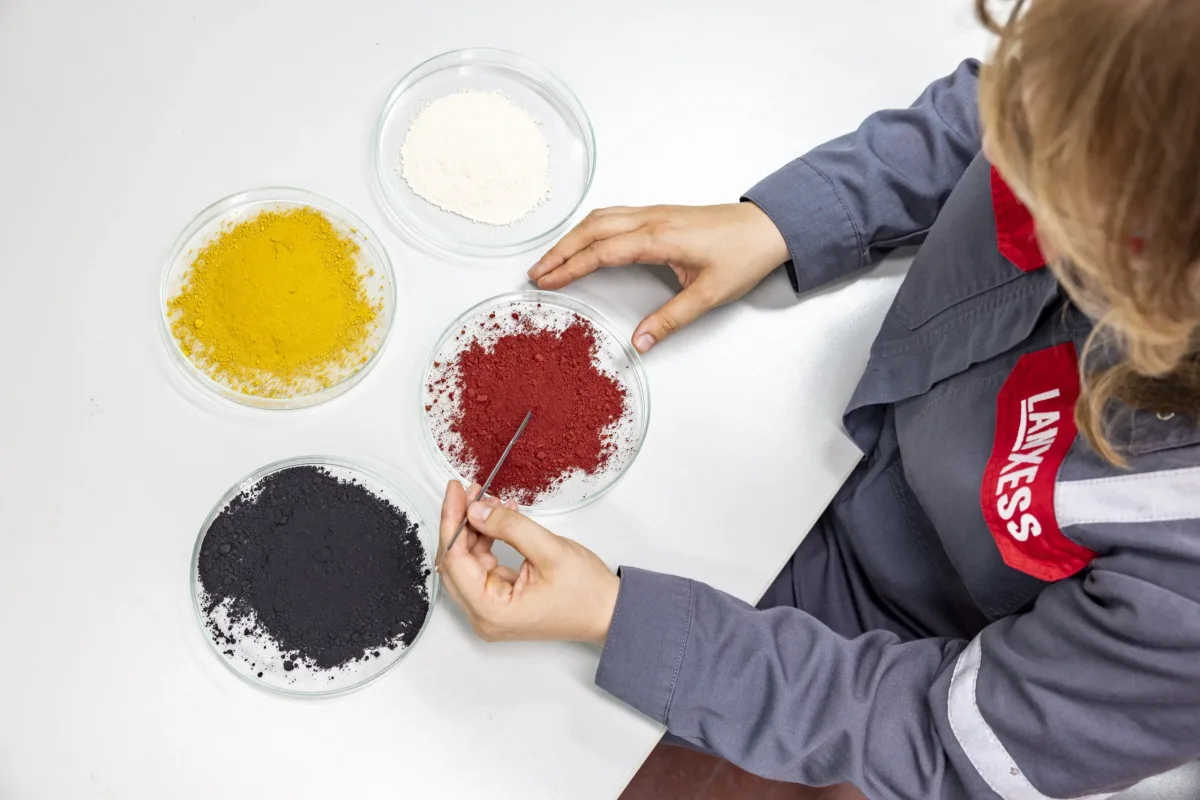
LANXESS is ramping up its research into lithium iron phosphate (LFP) battery technology by launching a purpose-built laboratory at its Krefeld-Uerdingen facility in Germany. The specialty chemicals manufacturer is using the new lab to examine iron oxides and iron phosphate compounds as potential feedstock for LFP cathode production.
The facility enables researchers to evaluate various material compositions directly within functioning battery cells, with particular attention to how these materials influence cell performance, manufacturing ease, and suitability across different use cases. By testing raw materials in actual battery cell environments earlier in the development cycle, LANXESS expects to accelerate its innovation timeline and gain deeper insights into material behaviour.
LFP Batteries Gain Market Share
The move reflects expanding commercial interest in LFP battery technology. Market analysis referenced by LANXESS shows that LFP batteries power more than three-quarters of electric vehicles sold in China. European adoption is projected to accelerate significantly, with forecasts suggesting LFP will capture approximately 50 percent of the regional market by 2030, up from roughly 10 percent at present. Beyond automotive applications, stationary energy storage, data centre power systems, and essential infrastructure represent additional growth opportunities.
LANXESS has manufactured iron oxides for approximately a century and has engineered specialized variants tailored for LFP cathode production. The company frames its new testing facility as a natural extension of its existing battery sector portfolio, with the laboratory primarily strengthening its capacity to validate proprietary raw materials under authentic battery cell operating conditions.
Source: Battery-News