TL;DR
Google has introduced Nano Banana 2 Lite, an image generation model capable of producing visuals in four seconds at a cost below four cents per thousand images.
On Tuesday, Google unveiled Nano Banana 2 Lite, marking the swiftest and most economical entry in its Nano Banana lineup of generative image tools. Capable of producing images within four seconds at a price point under four cents per thousand, this represents Google's boldest move yet toward developers requiring large-scale visual generation. The tool is accessible now through Google AI Studio, the Gemini API, and the Gemini Enterprise Agent Platform.
Prioritizing velocity over visual sophistication, Nano Banana 2 Lite targets scenarios where "rapid ideation and high-velocity developer pipelines" take precedence over intricate detail work. Google's earlier Nano Banana 2, introduced in February, continues to serve projects demanding superior image fidelity, whereas Nano Banana Pro addresses sophisticated professional applications.
Nano Banana 2 Lite supersedes the original Nano Banana, now designated by Google as its "legacy model." Despite its emphasis on speed, the new iteration maintains dependable adherence to user prompts, stable character rendering, and readable text generation within images. The model is simultaneously rolling out across consumer platforms: AI Mode in Search, the Gemini app, NotebookLM, Google Photos, Stitch, Google Flow, and Google Ads.
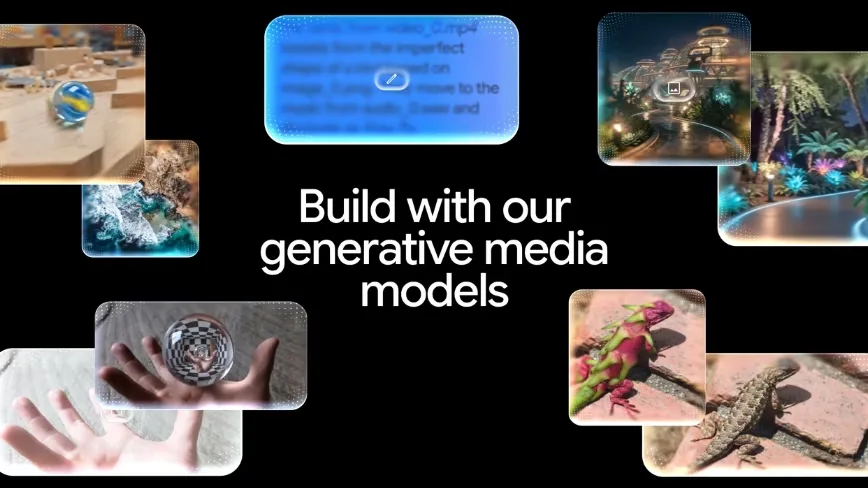
Concurrently, Google announced expanded availability of Gemini Omni Flash, its video-generation model initially unveiled at Google I/O in May. Developers now gain access to Omni Flash via the Gemini API and Google AI Studio, with pricing set at ten cents per second of video output. Video clips remain limited to ten seconds, though extended lengths are planned for future releases.
Google frames these offerings as complementary tools within a unified workflow. Developers can leverage Nano Banana 2 Lite for swift image generation and refinement, subsequently feeding those images into Omni Flash for video animation. A demonstration application named Omni Product Studio transforms static product images into what Google terms "cinematic e-commerce videos," while additional prototypes enable users to insert themselves into iconic locations or reimagine residential spaces.
These launches arrive amid ongoing controversy surrounding AI-generated imagery. Research indicates that 60 percent of TikTok videos now carry AI-generated classification, and the phrase "AI slop" has become commonplace shorthand for substandard algorithmic content saturating digital platforms. Google has concentrated its marketing messaging on enterprise and advertising applications rather than consumer-facing creativity, a positioning that mitigates certain criticism without eliminating it entirely.
Google DeepMind's recent $75 million partnership with independent studio A24 to create AI filmmaking technology has intensified scrutiny of the company's creative sector relationships. The collaboration sparked considerable backlash from audiences and artistic communities, who contended that A24 was contradicting its foundational commitment to supporting artists. A24 has responded by asserting it aims to "dictate what tools get built for artists" rather than allowing technology companies to shape such decisions unilaterally.
Nano Banana 2 Lite and Omni Flash represent the newest components of Google's expanding generative-media infrastructure, which has accelerated significantly throughout the past year. The underlying strategy centers on achieving sufficient speed and cost efficiency to integrate these capabilities into standard developer practices before broader societal concerns about their implications reach resolution.
Source: The Next Web