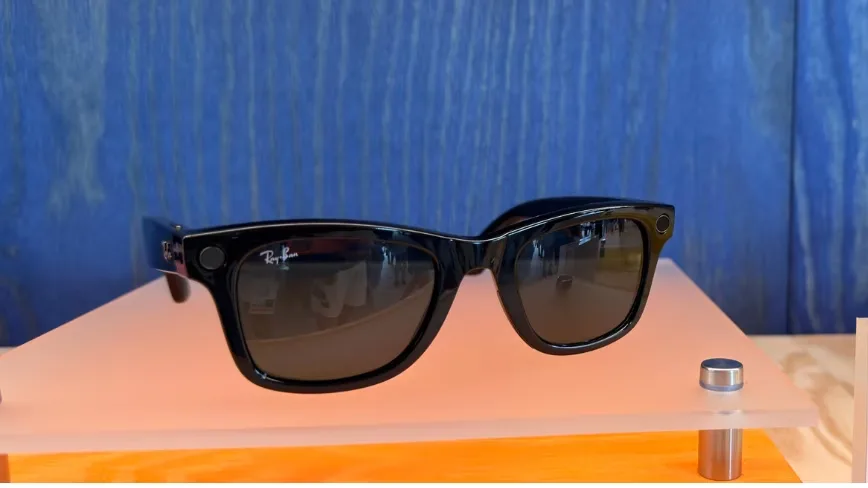
Authorities in Paris have begun criminal proceedings related to sexual harassment allegations involving camera-equipped eyewear, according to Reuters reporting. This represents a significant shift toward treating covert street filming as a matter for criminal justice rather than leaving it solely to data protection agencies.
A social media trend has emerged in which individuals wearing glasses fitted with cameras approach women in public spaces, record them without authorization, and subsequently share the footage online. The prosecutor's office has not disclosed how many complaints it has received or whether any suspects have been identified.
France's data protection authority, the CNIL, has been addressing the problem from a regulatory angle. In June, it released guidance cautioning the public about how such devices can record people almost imperceptibly. The authority reported receiving fewer than 10 workplace-related complaints about the glasses, alongside inquiries from employers seeking clarification on whether they could prohibit them on their premises.
Nacera Bekhat, who oversees economic matters at the CNIL, emphasized that these devices create "real challenges" regarding notification of recording and obtaining necessary consent. The regulator determined that an indicator light alone provides insufficient protection.
Ines Legendre, legal specialist at child safety organization e-Enfance, told Reuters that illuminating an indicator light does not equate to consent for filming, "nor to have your image sent on to thousands of people later". Meta has implemented two updates since June that halt recording when the indicator light is obstructed.
Ines Girard, researcher at the Center Hubertine Auclert specializing in technology-enabled gender violence, contended that responsibility should not fall on those being recorded. She stated that "we can't react to surveillance technology by asking the people who are being surveilled to be more vigilant."
Current French law provides only partial coverage. Article 226-1 of the French Penal Code establishes penalties of up to one year imprisonment and a €45,000 fine for recording someone's image without permission, yet this provision applies only to private spaces, not public streets.
The smart glasses market is dominated by Meta's offering, developed in partnership with EssilorLuxottica, which commands approximately 76 percent market share according to Reuters. Counterpoint Research previously indicated Meta held 82 percent of the market in the second half of 2025 before new competitors began scaling operations. EssilorLuxottica reported selling 7 million units in the previous year. A Meta representative stated to Reuters that the company had "built privacy into our AI glasses from the ground up".
The regulatory response extends beyond France. Last month, German organization HateAid filed criminal complaints against Meta, Ray-Ban, Oakley, and multiple retailers. Australia's finance minister, Katy Gallagher, requested guidance on Thursday regarding potential bans in commonwealth workplaces. The United Kingdom has seen courts and venues impose restrictions, with the Information Commissioner's Office initiating an investigation in March. Some UK cinemas have implemented complete bans, though the UK Cinema Association stated in August it was unaware of such comprehensive prohibitions among its members.
The European Data Protection Board intends to undertake its own review of smart glasses in collaboration with national regulators. Meta Connect, where the next generation of glasses is anticipated to debut, is scheduled for 23 September.
Source: The Next Web