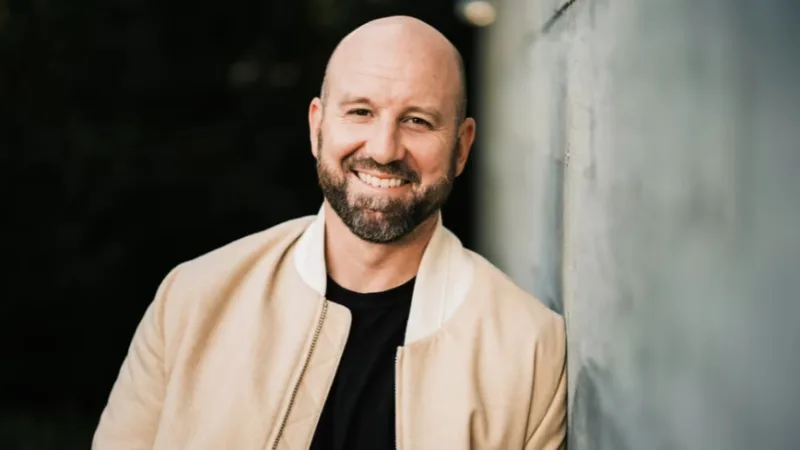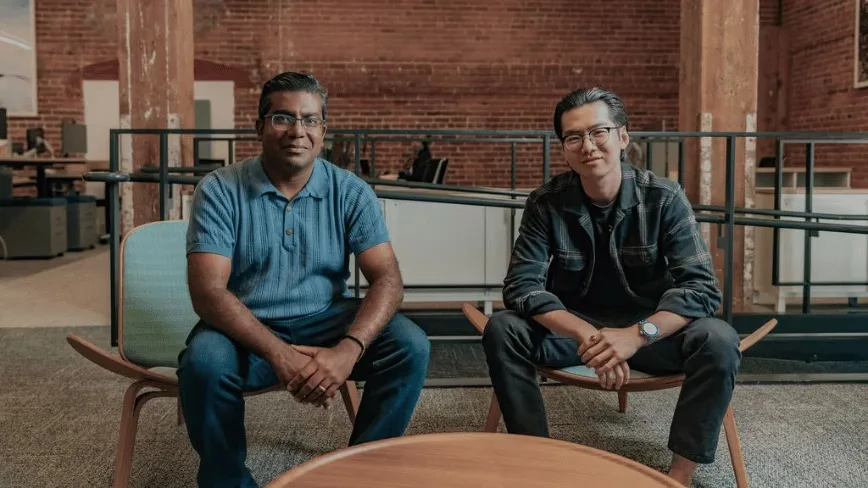
Beacon Software, a Toronto-based acquirer of software serving essential industries, has completed the purchase of Haize Labs, a startup specializing in AI testing and safeguarding. The Haize team will form Beacon's applied AI research group, with founder and chief executive Leonard Tang stepping into the role of vice president of AI research.
Tang framed the acquisition in terms of market opportunity. "The Fortune 500 will have no shortage of AI," he said. "The harder problem is making AI useful for the businesses that power the rest of the economy, where most humans work and receive value." Beacon announced the deal on 17 September, though financial terms remain undisclosed.
Haize Labs developed red teaming, guardrails, evaluation and observability tools—software that subjects AI systems to stress tests and monitors their behavior in live environments. Beacon operates as a holding company acquiring software firms that serve recreation, utilities, education, government and manufacturing sectors.
From frontier labs to Main Street software
Tang founded Haize Labs in 2024, initially collaborating with frontier AI labs on red teaming and safety measures while also selling an evaluation and monitoring platform to large enterprises. The company ran a pro bono program for small businesses, Tang noted in a LinkedIn post.
The Haize team now transitions into Beacon's structure, with Tang leading the AI operating system Beacon will deploy across its portfolio. Co-founder Steve Li joins him in the move. Beacon currently owns 45 software companies serving more than 22,000 businesses and institutions, ranging from campgrounds to construction firms, many with relationships spanning decades.
Beacon raised $225 million in June to acquire what it describes as Main Street software and enhance it with AI capabilities. Founder Nilam Ganenthiran, who previously served as president of Instacart and partner at D1 Capital, has positioned the model as distinct from traditional private equity approaches.
Research priorities for the new group
Beacon outlined four strategic areas for the research group's work:
- Creating reusable AI infrastructure applicable across the portfolio while preserving company-specific characteristics
- Converting domain expertise into evaluation and feedback systems that establish performance standards for each business
- Implementing continuous testing, red teaming and observability for AI agents throughout their lifecycle, from development through production
- Developing products that reduce administrative burden, enhance customer service and drive growth across portfolio companies
Ganenthiran emphasized the significance of the acquisition in a statement: "Main Street businesses deserve access to the same caliber of AI talent and technology as the world's largest companies. Haize Labs brings exceptional engineers to Beacon who know how to find where AI fails and make it better." The company is actively recruiting engineers, product managers and researchers to expand the team.
Unanswered questions
The acquisition announcement omits several details. Neither party disclosed the purchase price. The companies did not clarify the status of Haize's existing enterprise customers or whether the startup's ongoing work with frontier AI labs will continue under Beacon's ownership, given that the portfolio primarily serves campgrounds and construction firms rather than cutting-edge research facilities.
The sector has increasingly pursued acquisitions to gain AI safety capabilities rather than developing them internally. Harvey acquired Guardrails AI this month alongside a $550 million funding round, while OpenAI purchased the open-source red-teaming tool Promptfoo in March.
Ganenthiran articulated the central challenge in his own LinkedIn post: the genuine difficulty lies in making AI reliable enough for daily dependence. This represents a more modest claim than typical AI marketing rhetoric. The true measure of success, he suggested, will be whether AI agents prove dependable in practice.
Source: The Next Web