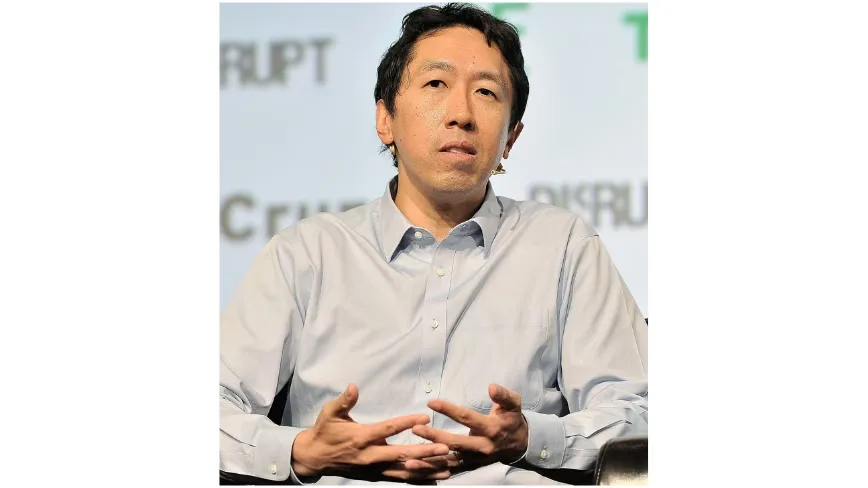
In remarks to Bloomberg Television, Andrew Ng—who co-founded Google Brain and Coursera—characterized public warnings about artificial intelligence causing human extinction as belonging more to the realm of fiction than factual concern. He contended that the technology sector deliberately amplifies doomsday scenarios to generate media attention and influence how governments write rules. The EU AI Act, which has already entered force, treats both the concrete engineering hazards Ng prioritizes and the loss-of-control scenarios he dismisses as equally serious regulatory matters within its framework.
Ng's skepticism about existential risk extends beyond mere disagreement. He argues that companies have manufactured panic around catastrophic outcomes at different points in the AI cycle—first to capture headlines, and again to shape policy outcomes in their favor. A September 8 resignation letter from an Anthropic researcher, who accused the company of taking reckless gambles with public safety, marked the beginning of what Ng sees as the current wave of such messaging.
The argument itself is not novel. During a December 2023 appearance before a US Senate forum, Ng made similar points, asserting that major technology firms deliberately stoke fear in order to craft regulations designed to "pull up the ladder" against potential competitors. At that same hearing, he estimated the probability of AI triggering human extinction at approximately one in 10 million across a century.
Nearly three years have passed with little shift in Ng's public position. What has transformed is the scale of the conversation. The Anthropic researcher's post accumulated 150 million views, prompting technology workers to parody the format by substituting the extinction claim with absurdist alternatives. Ng interprets this activity as evidence of a coordinated campaign, though independent reporting suggests the phenomenon reflects imitation rather than orchestrated effort.
Europe's regulatory response bypassed the debate entirely. The AI Act identifies systemic risks including reduced barriers to acquiring chemical, biological, radiological and nuclear weapons; enhanced cyber attack capabilities; large-scale disinformation; and critical infrastructure failures. The legislation simultaneously addresses loss of control—encompassing both unintended consequences stemming from misalignment with human objectives and scenarios where models generate copies of themselves. Ng's preferred engineering priorities and the existential scenarios he rejects occupy the same regulatory paragraph.
These requirements are already operational. Henna Virkkunen, the Commission's chief technology officer, stated recently that European law mandates Anthropic and OpenAI to evaluate the danger of losing control over their systems—a requirement that does not exist in most other jurisdictions.
This represents Ng's practical engineering approach transformed into binding obligation. The rules apply exclusively to developers operating above a specified computational threshold, meaning only the largest organizations face these duties. This structure mirrors the regulatory ladder Ng described in 2023, except that a government body rather than a private laboratory constructed it.
Source: The Next Web