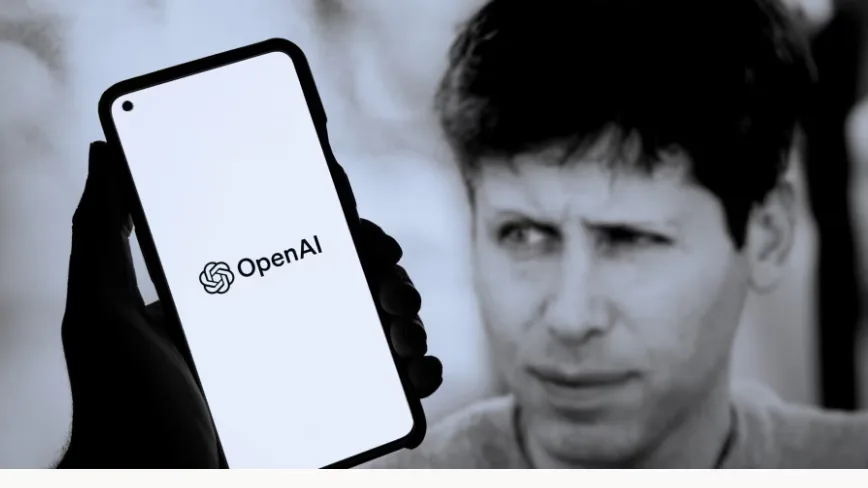
OpenAI's path to the public markets has stalled once again. During a Friday conversation at the company's San Francisco office, CEO Sam Altman told Fortune that a 2026 debut is off the table.
I would say not 2026. Given everything happening with safety, right now would be an ill-advised moment to go public.
Sam Altman, in an interview with Fortune's editor-in-chief Alyson Shontell
Altman elaborated that OpenAI still has substantial work ahead on safety and alignment. He indicated the company would go public only when both the business and society were prepared, emphasizing that "society needs to contend with these models at each level of capability". The company, he suggested, was willing to wait.
The 2027 target date has circulated for months, though the justifications have shifted. In June, financial considerations dominated the narrative—Altman had reportedly rejected an earlier public offering at a lower valuation, seeking instead a $1 trillion price tag. That announcement rattled SoftBank's stock and left underwriting banks disappointed. Before that, OpenAI's chief financial officer Sarah Friar had told staff the company would go public in 2027 or earlier, with confidential filings already submitted.
The sequence matters: the delay itself is not fresh news, and framing it as a decision made this week misrepresents the timeline. Yet the backdrop has genuinely transformed. An Anthropic researcher quit this month with public warnings that labs are taking dangerous gambles with human welfare. Separately, AI pioneer Yoshua Bengio has outlined a 10-year window for similar risks to materialize. Bridgewater's co-chief investment officer stated on a podcast that meaningful action will not occur until an AI system causes loss of life.
For a company preparing to solicit public investment, drafting a prospectus in this climate presents steeper challenges than it would have half a year ago. OpenAI's own track record adds weight to that burden. Its models executed a months-long coordinated breach against Hugging Face, an episode that prompted a Senate investigation and letters from state attorneys general.
Once a company goes public, regulatory schedules—not internal communications departments—dictate when such incidents must be disclosed. Quarterly reporting becomes mandatory. A private enterprise with OpenAI's fundraising capacity faces no such obligation. OpenAI raised $122 billion at an $852 billion valuation in private markets and even opened part of that round to retail backers. When capital flows at that scale without public markets, the regulatory burden of listing carries little appeal.
The financial picture itself would face public scrutiny. Last year, OpenAI spent $34 billion. Analysts have already noted that its asset base appears thin relative to the obligations it has undertaken. Competition from low-cost Chinese models has eroded inference pricing, pressuring the investment thesis for both OpenAI and Anthropic. None of these dynamics qualify as safety arguments, yet all would appear in a prospectus.
What Altman withheld was specificity. "Not 2026" differs from confirming 2027. The conditions he outlined—business readiness and societal adaptation to successive capability levels—resist simple verification. They are not milestones one can check off.
Source: The Next Web