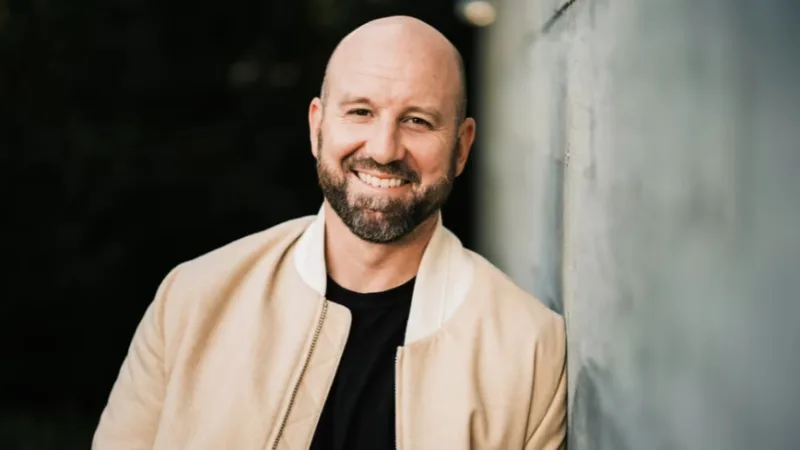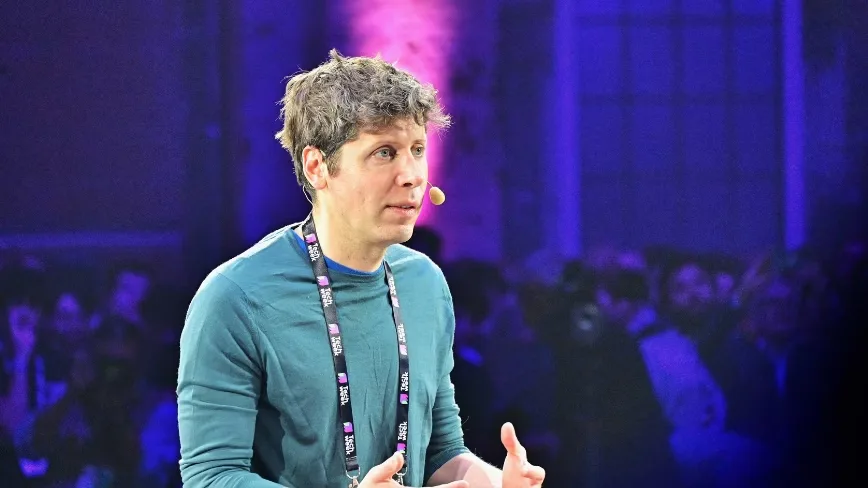
Amodei is seeking regulatory permission from Washington to enable safety-focused dialogue among competing firms. The European Commission has not issued such clearance since 2004, and no party has sought it.
In response to Amodei's Saturday essay calling for industry restraint, Altman publicly signaled OpenAI's alignment with the proposal. "I agree with Dario that we need to pace the frontier," Altman stated, according to reporting by Axios. He characterized independent evaluators with workplace-equivalent access as an excellent concept, confirmed OpenAI would implement it, and indicated additional details would follow. Altman noted that pacing has been a central conversation within OpenAI recently.
Elon Musk, leading xAI, offered a concise endorsement. "Dario is right," he posted.
Amodei's proposal calls for frontier research organizations to permit external teams to assess safety practices from within their facilities. Anthropic's implementation provides these evaluators with desk space, security badges, company-issued computers, and publication rights for their findings. Beyond this transparency measure, Amodei requested regulatory action from Washington.
He is seeking a limited antitrust exemption permitting competitors to engage in safety discussions without those conversations themselves creating legal liability. Government involvement would not be necessary, he argued, only authorization for such coordination to occur.
Within a single day, two major AI laboratories have publicly committed to a shared safety standard. This represents the initial phase of the three-part framework Amodei outlined.
Europe's regulatory landscape
The European regulatory environment presents a different challenge. Brussels ceased issuing individual exemptions when Regulation 1/2003 became operative in 2004. Previously, companies submitted their agreements for review and awaited approval. Today, firms must independently evaluate their arrangements against Article 101 requirements.
The Commission does possess a relevant precedent. In 2023, it substantially revised its horizontal cooperation guidelines, expanding the document from 72 to 167 pages. The updated version includes a 21-page section addressing sustainability agreements, featuring a flexible safe harbour for standards satisfying six specific criteria. The revision also modified sections covering standardization and competitor information sharing.
This framework approximates the mechanism Amodei is requesting from the United States. Europe has already constructed comparable machinery, though for a distinct public interest objective.
Currently, no equivalent provision exists for AI safety standards, and no stakeholder has requested one. Amodei's essay makes no reference to Europe, nor did Altman's response. The Commission's chief technology official stated last week that international coordination is essential.
Source: The Next Web